
Chicken Tempura
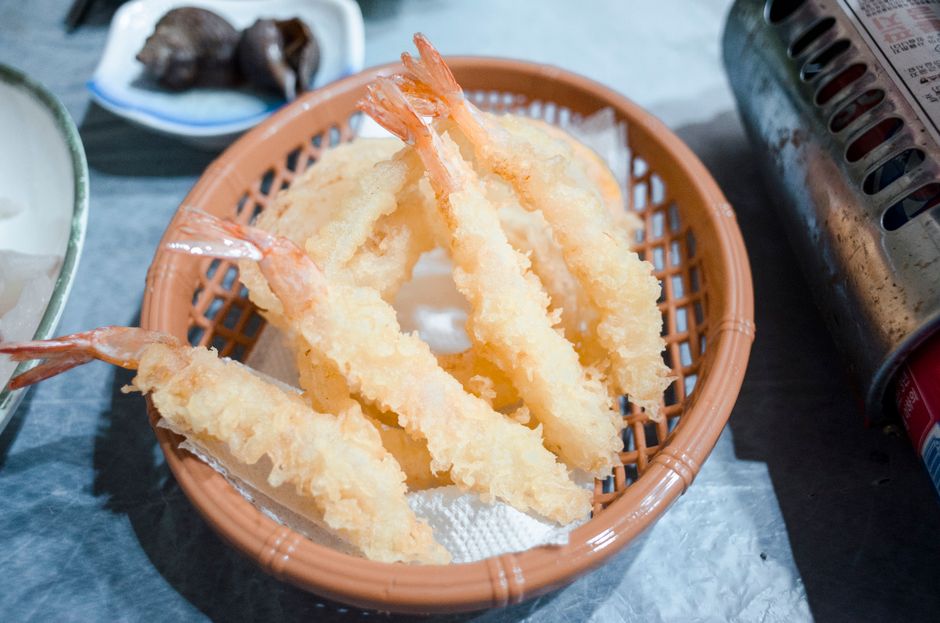
Chicken tempura is boneless chicken, usually thigh or breast, cut into strips or bite-sized pieces and coated in a thin, cold tempura batter of flour, cornstarch, and ice water before being deep-fried. The batter fries up light, lacy, and shatteringly crisp rather than thick and bready like standard fried chicken coating, and it's meant to showcase the chicken underneath rather than dominate it.
Varieties
Tempura batter itself comes in a few variations: some cooks add a splash of soda water or an egg yolk for extra lightness, and some restaurants use a slightly thicker batter for chicken than for vegetables or shrimp since chicken needs a longer fry time to cook through.
Buying tips
For homemade tempura, boneless, skinless chicken thigh holds moisture better through frying than breast meat, which can dry out under high heat. If buying premade frozen chicken tempura, check that the batter looks pale and lacy rather than thick and golden, a sign it was made in the standard tempura style rather than as generic fried chicken.
Substitutes
Panko-fried chicken (katsu-style) — 1:1 by weight
Crisper and sturdier under sauce than tempura, holds up better in bowls and sandwiches, but the crust is thicker and crunchier rather than light and lacy.
Shrimp tempura — 1:1 by piece count
Same batter and frying method, useful if a recipe calls for chicken tempura as a topping and shrimp is on hand instead; cooks faster, about 2 minutes versus 4 to 5.
Vegetable tempura (sweet potato, green beans, or onion) — 1:1 by piece count
A vegetarian swap for tempura toppings on rice bowls or ramen; use pieces of similar thickness so fry times match.
Plain fried chicken tenders, sliced — 1:1 by weight
Not the same texture at all, but works in a pinch for rice bowls or salads where the tempura is mainly there for crunch and protein.
Storage
Chicken tempura loses its crispness fast once it cools, so it's best fried and eaten within about 15 minutes. If storing leftovers, let them cool completely, refrigerate in a single layer in a container lined with paper towel for up to 2 days, and reheat in a 400°F oven or air fryer for 6 to 8 minutes rather than in a microwave, which turns the batter soft and chewy.
How to use
Serve chicken tempura with tentsuyu (a light dashi, soy, and mirin dipping sauce) or plain soy sauce and grated daikon, slice it over rice for a chicken tempura don, or use it as a crunchy topping for udon, ramen, or a California-style sushi roll.
What it pairs with
Pairs well with steamed short-grain rice, pickled ginger, shredded cabbage with sesame dressing, and light broths like dashi or miso soup that won't compete with the delicate batter.
Nutrition
Deep-frying adds a meaningful amount of fat and calories to lean chicken; a typical serving of chicken tempura runs higher in fat than grilled or baked chicken of the same weight, mainly from the oil absorbed by the batter.
FAQ
Why is chicken tempura batter so much thinner than regular fried chicken batter?
Tempura batter is mixed briefly and kept cold, which limits gluten development and keeps the coating thin and lacy instead of thick and bready; regular fried chicken batter or breading is meant to build a heavier, more substantial crust.
Can chicken tempura be made ahead and frozen?
Yes. Fry the pieces, cool them fully on a rack, then freeze in a single layer before transferring to a bag. Reheat straight from frozen in a 400°F oven for about 12 minutes to restore crispness.
Why does chicken tempura go soggy so quickly?
The batter is thin and low in structure by design, so trapped steam from the hot chicken softens it fast once it's off the heat; draining on a wire rack instead of paper towel and serving within minutes helps it stay crisp longer.
Is chicken tempura the same as chicken katsu?
No. Chicken katsu is coated in panko breadcrumbs for a thick, crunchy crust, while chicken tempura uses a wet batter that fries into a thin, lacy shell.
Have chicken tempura on hand? Find recipes with our Recipe Generator →