Dragon Roll Sushi Recipe

Rolling the rice on the outside and topping it with thinly fanned avocado creates the roll's signature 'dragon scale' look, while the crispy shrimp tempura inside gives a textural contrast to the soft rice and creamy avocado once the sweet-savory eel sauce is drizzled over the top.
- Prep
- 40 min
- Cook
- 15 min
- Total
- 55 min
- Servings
- 4
Ingredients
- 2 cups sushi rice, uncooked
- 4 tbsp rice vinegar
- 2 tbsp sugar
- 1 tsp salt
- 4 sheets nori sheets
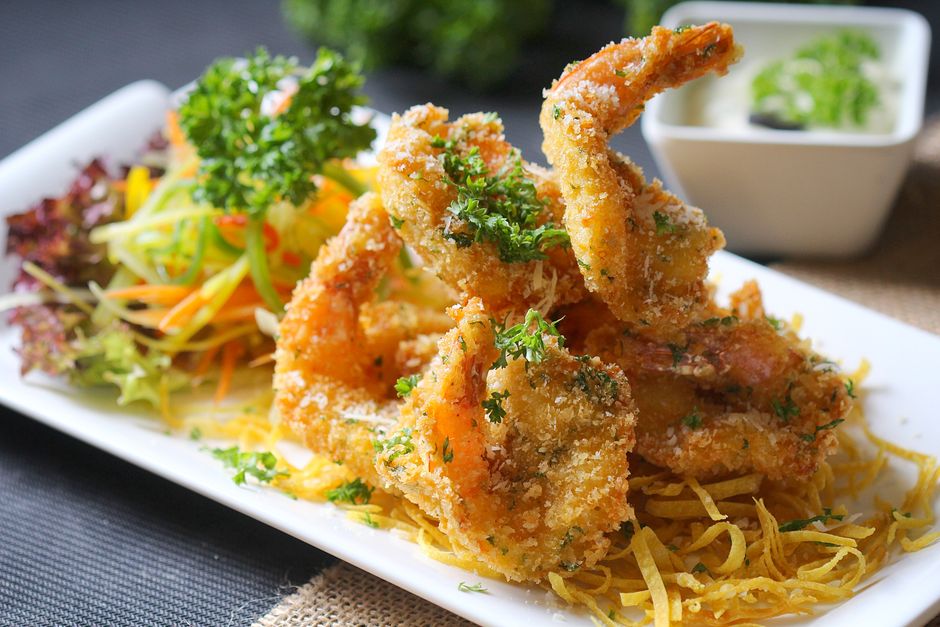
- 8 pieces shrimp tempura, cooked
- 1 medium cucumber, cut into thin sticks
- 2 medium avocado, thinly sliced
- 4 tbsp unagi (eel) sauce
- 2 tbsp tobiko (flying fish roe)
- 1 tbsp toasted sesame seeds
Nutrition per serving
- Calories
- 734
- Protein
- 19g
- Carbs
- 110g
- Fat
- 23g
Based on the recipe as written, one serving. Recalculates if you swap an ingredient above. An estimate only, exact values depend on the specific ingredients used.
Need different units or a different yield? Try our Conversion Calculator →
Instructions
- 1Rinse the sushi rice in a fine-mesh strainer under cold water, swishing it with your hand, until the water runs mostly clear.
- 2Cook the rice according to package directions (or in a rice cooker), then transfer it to a wide non-metal bowl while still warm.
- 3Stir together the rice vinegar, sugar, and salt until dissolved, then pour over the warm rice. Fold gently with a rice paddle while fanning the rice to cool it to room temperature and give it a glossy sheen.
- 4Lay a bamboo rolling mat on the counter and cover it with plastic wrap. Place a sheet of nori shiny side down on top.
- 5Wet your hands, then spread a thin, even layer of rice over the entire nori sheet, leaving no bare edges. Flip the nori and rice over so the rice faces down onto the plastic wrap.
- 6Lay 2 shrimp tempura pieces and a few cucumber sticks in a line across the lower third of the nori.
- 7Using the mat and plastic wrap together, roll the sushi up tightly into a cylinder, pressing gently but firmly as you go to compact the rice.
- 8Fan out several thin avocado slices and lay them over the top of the roll. Cover with the plastic wrap and press gently so the avocado adheres to the rice.
- 9Remove the plastic wrap and slice the roll into 8 even pieces using a very sharp knife dipped in water between cuts.
- 10Arrange the pieces on a plate, drizzle generously with unagi sauce, and top with tobiko and sesame seeds before serving.
Tips & variations
- For a more traditional dragon roll, swap the shrimp tempura for grilled unagi (fresh water eel) brushed with the same sweet sauce.
- No bamboo mat? A clean kitchen towel wrapped in plastic wrap works almost as well for shaping the roll.
- Add a thin drizzle of spicy mayo alongside the unagi sauce for extra heat and richness.
- If avocado is under-ripe and won't fan out thinly, press whole slices flat with the side of a knife before laying them over the roll.
Storage & reheating
Sushi is best eaten the same day it's made, since the rice firms up and the nori turns chewy in the refrigerator. If storing leftovers, wrap tightly in plastic wrap and refrigerate for up to 24 hours; let the rolls sit at room temperature for about 15 minutes before eating to soften the rice again.
Tips from the Tulo kitchen
- Keep a small bowl of water nearby to wet your hands and the knife blade, dry rice sticks to everything otherwise.
- Slice the avocado just before topping the roll; exposed avocado starts to brown within 20 to 30 minutes.
FAQ
What makes a roll a 'dragon roll' specifically?
The name refers to the fanned avocado slices layered over the top of the roll, which mimic dragon scales, combined with a filling of shrimp tempura or eel and a drizzle of unagi sauce.
Is dragon roll sushi raw fish?
No. The classic version uses cooked shrimp tempura or grilled eel inside, so it's a fully cooked roll, though tobiko topping does contain raw fish roe.
Can I make dragon roll sushi without a bamboo mat?
Yes. A clean kitchen towel wrapped in plastic wrap can substitute for shaping and pressing the roll, though a bamboo mat gives a tighter, more even cylinder.
What can I use instead of unagi sauce?
A simple mix of equal parts soy sauce and sugar simmered with a splash of mirin until syrupy makes a close substitute for store-bought unagi sauce.