Low Calorie Bread Recipe
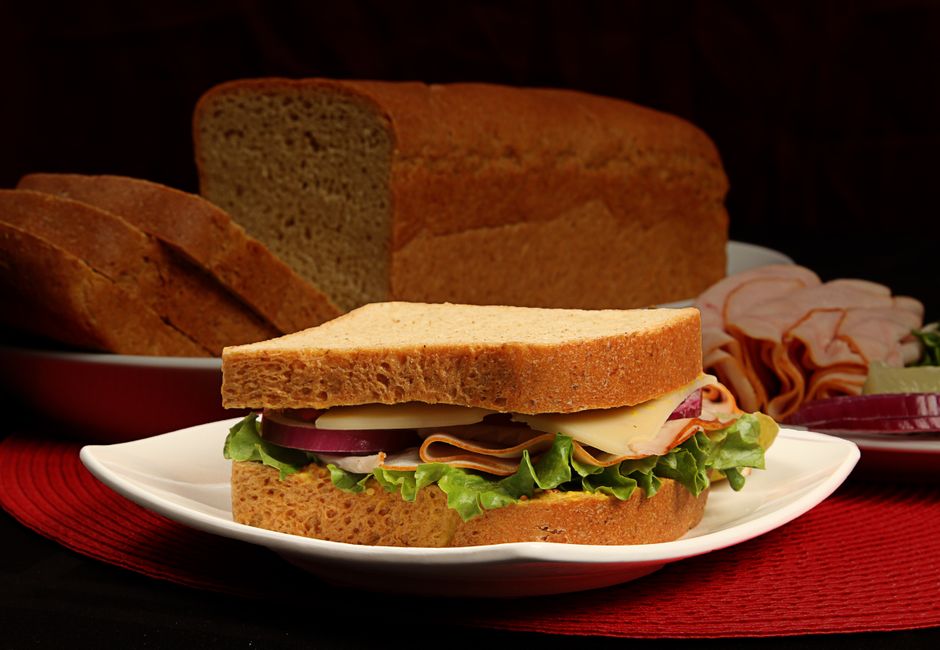
Oat fiber adds bulk and a soft crumb without contributing much digestible starch, while vital wheat gluten makes up for the structure that whole wheat flour alone can't provide, so the loaf still rises tall and holds together instead of turning dense. A modest single tablespoon of oil keeps fat low without drying out the crumb.
- Prep
- 25 min
- Cook
- 30 min
- Total
- 2 hr 20 min
- Servings
- 18
Ingredients
- 1 1/4 cups warm water (105-110°F)
- 2 1/4 tsp active dry yeast
- 1 tbsp honey
- 3 tbsp vital wheat gluten
- 1/4 cup oat fiber
- 2 cups whole wheat flour
- 1 cup bread flour
- 2 tbsp nonfat dry milk powder
- 1 1/2 tsp salt
- 2 tsp olive oil
- 1 large egg white
Nutrition per serving
- Calories
- 91
- Protein
- 4g
- Carbs
- 18g
- Fat
- 1g
Based on the recipe as written, one serving. Recalculates if you swap an ingredient above. An estimate only, exact values depend on the specific ingredients used.
Need different units or a different yield? Try our Conversion Calculator →
Instructions
- 1In a large bowl or stand mixer bowl, stir together the warm water, yeast, and honey. Let stand 5-10 minutes until foamy on top.
- 2In a separate bowl, whisk together the vital wheat gluten, oat fiber, whole wheat flour, bread flour, dry milk powder, and salt.
- 3Add the flour mixture, olive oil, and egg white to the yeast mixture. Mix until a shaggy dough comes together.
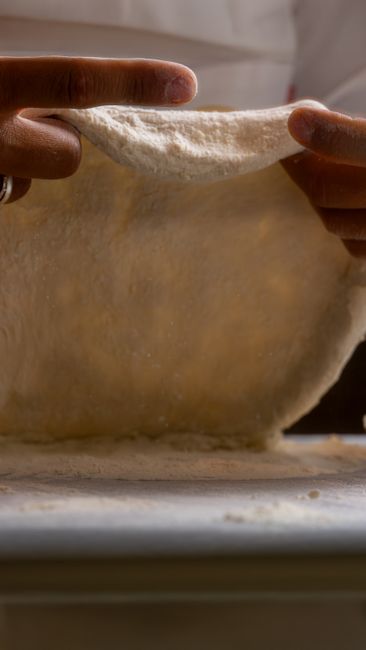
- 4Knead by hand on a lightly floured surface, or with a stand mixer's dough hook, for 8-10 minutes, until the dough is smooth and elastic but still slightly tacky.
- 5Place the dough in a lightly oiled bowl, cover with plastic wrap or a towel, and let rise in a warm spot for about 60 minutes, until roughly doubled.
- 6Punch down the dough, shape it into a loaf, and set it seam-side down in a greased 9x5-inch loaf pan.
- 7Cover loosely and let rise a second time for 25-30 minutes, until the dough crowns about an inch above the rim of the pan.
- 8Preheat the oven to 350°F (175°C) while the dough finishes its second rise.
- 9Bake for 30-35 minutes, until the top is deeply golden and the loaf sounds hollow when tapped on the bottom (internal temperature around 190°F/88°C).
- 10Turn the loaf out onto a wire rack and cool completely, at least 1 hour, before slicing thin.
Tips & variations
- If oat fiber isn't available locally, wheat bran can be substituted in the same quantity, though the crumb will be slightly denser and the calorie count a bit higher.
- Slice the cooled loaf thin (about 3/4 the thickness of a standard sandwich slice) to keep individual servings closer to 90 calories; thicker slices obviously push that number up.
- For a seeded top, brush the shaped loaf with a little egg white wash before the second rise and press on sesame or flax seeds.
- Swap the bread flour for all whole wheat flour for a heartier, more fiber-dense loaf, though the crumb will be a bit tighter.
Storage & reheating
Store the cooled loaf in an airtight bag at room temperature for up to 3 days. For longer storage, slice the whole loaf and freeze the slices in a single layer before bagging, then toast slices directly from frozen, they thaw in about 2 minutes in a toaster.
Tips from the Tulo kitchen
- Weighing the flour and oat fiber on a kitchen scale instead of scooping cups gives a much more consistent loaf, since packed flour can add 20-30 grams per cup without you noticing.
- If the kitchen is cold, an oven with just the light on (no heat) makes a reliable proofing box for both rises.
FAQ
Why is this bread lower in calories than regular sandwich bread?
Oat fiber replaces part of the flour with mostly indigestible fiber that adds volume and softness without much digestible starch, and the recipe uses only one egg white and a small amount of oil instead of whole eggs and more fat, both of which lower the calories per slice.
Can I make this bread without oat fiber?
Yes, wheat bran works as a substitute in equal amounts, though the loaf will be a bit denser and each slice will run somewhat higher in calories since bran carries more digestible carbohydrate than oat fiber.
Is this bread gluten-free?
No, it relies on both whole wheat flour and added vital wheat gluten for structure, so it isn't suitable for anyone avoiding gluten.
Can I use a bread machine for this dough?
Yes, add the ingredients in the order recommended by the machine's manual, run the dough cycle, then shape and bake in a conventional loaf pan and oven for the best crust and slicing texture.