Dutch Crunch Bread Recipe
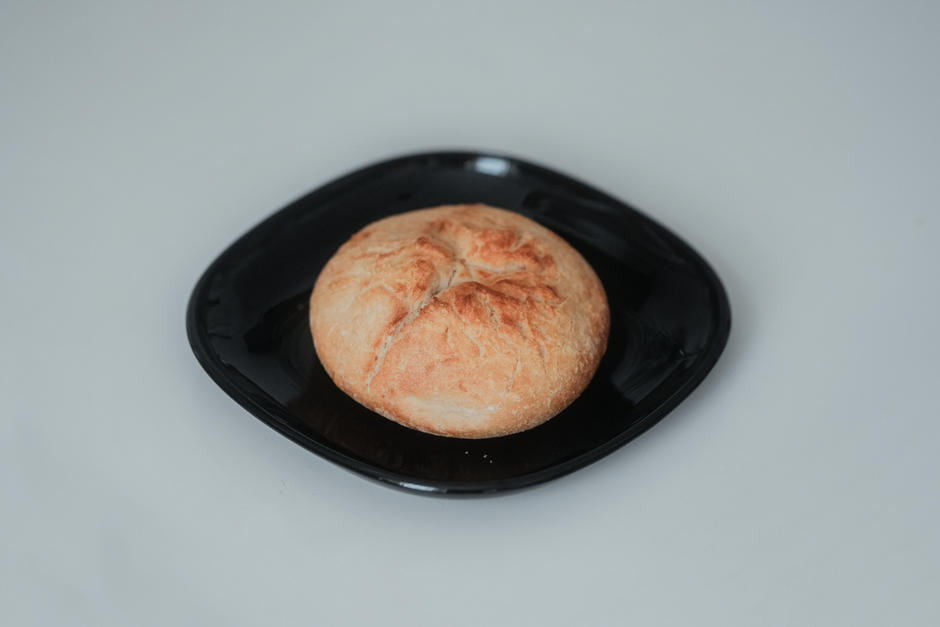
A separate rice flour and yeast paste brushed over the risen dough dries and cracks in the oven's heat because rice flour has no gluten to stretch with the expanding loaf underneath, which is exactly what produces the crackled tiger pattern instead of a smooth crust.
- Prep
- 2 hr 35 min
- Cook
- 20 min
- Total
- 2 hr 55 min
- Servings
- 8
Ingredients
- 1 cup warm water (for dough)
- 2 tbsp granulated sugar (for dough)
- 2 1/4 tsp instant yeast
- 3 cups bread flour
- 1 1/2 tsp salt
- 2 tbsp vegetable oil (for dough)
- 1/2 cup rice flour
- 1 tsp active dry yeast (for paste)
- 2 tsp granulated sugar (for paste)
- 1/2 tsp salt (for paste)
- 1 tsp sesame oil
- 1 tbsp vegetable oil (for paste)
- 1/3 cup warm water (for paste)
Nutrition per serving
- Calories
- 1120
- Protein
- 21g
- Carbs
- 147g
- Fat
- 54g
Based on the recipe as written, one serving. Recalculates if you swap an ingredient above. An estimate only, exact values depend on the specific ingredients used.
Need different units or a different yield? Try our Conversion Calculator →
Instructions
- 1In the bowl of a stand mixer, stir the warm water, sugar, and instant yeast together and let sit 5-10 minutes until foamy on top.
- 2Add the bread flour, salt, and vegetable oil. Knead with the dough hook on medium speed for 8-10 minutes until the dough is smooth, elastic, and pulls away from the sides of the bowl.
- 3Shape the dough into a ball, place in a lightly oiled bowl, cover, and let rise in a warm spot for about 1 hour, until doubled in size.
- 4Punch down the dough and divide into 8 equal pieces. Shape each into a taut round or oval roll and place on a parchment-lined baking sheet, spaced 2 inches apart.
- 5Cover loosely and let rise again for 30-45 minutes, until visibly puffy but not doubled.
- 6While the rolls rise, whisk together the rice flour, active dry yeast, sugar, salt, vegetable oil, sesame oil, and warm water for the topping until you have a smooth, thick, pourable paste. Let it sit at room temperature for 15 minutes so the yeast activates and the paste loosens slightly.
- 7Preheat the oven to 400°F (200°C).
- 8Spoon the paste generously over the top of each risen roll, spreading it with the back of the spoon to cover the top and down the sides. Use all of the paste; a thin coat won't crack properly.
- 9Bake for 18-22 minutes, until the topping is deep golden brown and cracked into a distinct tiger pattern and the rolls sound hollow when tapped on the bottom.
- 10Cool on a wire rack for at least 15 minutes before slicing or serving.
Tips & variations
- Rice flour is essential in the topping, not a substitute ingredient; wheat flour has gluten and will stay smooth instead of cracking.
- For extra crunch and a nutty aroma, swap the sesame oil for toasted sesame oil and add a scant teaspoon of extra sugar to the paste.
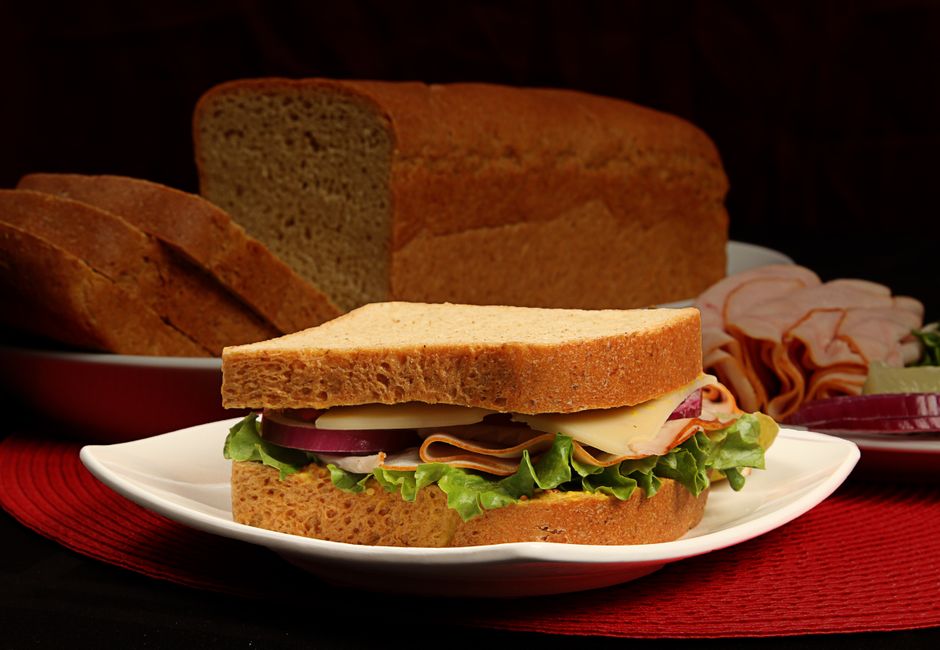
- These rolls are the classic base for San Francisco-style tri-tip or turkey sandwiches; slice horizontally while still slightly warm for the best texture.
- To make one large loaf instead of rolls, shape the dough into a single oval, let it rise 45 minutes, coat with all of the paste, and bake at 375°F (190°C) for 30-35 minutes.
Storage & reheating
Store cooled rolls in a paper bag or loosely covered container at room temperature for up to 2 days; the crackled crust softens quickly in an airtight container. Freeze baked, fully cooled rolls in a freezer bag for up to 2 months. To refresh, warm directly on an oven rack at 350°F (175°C) for 5-8 minutes to recrisp the crust before serving.
Tips from the Tulo kitchen
- If the kitchen is cool, proof the dough in the oven with just the light on; it holds a steady low warmth without actually cooking the dough.
- Spread the paste right to the edges of each roll, including partway down the sides, since bare patches of dough will brown normally instead of cracking.
FAQ
What makes the crust on Dutch crunch bread crack?
The crackle comes from the rice flour and yeast paste brushed on before baking. Rice flour has no gluten, so as the dough underneath expands in the oven, the rigid paste on top splits into the characteristic tiger pattern instead of stretching smoothly.
Can I use all-purpose flour instead of rice flour for the paste?
No. All-purpose flour contains gluten, which lets the topping stretch along with the dough and bake into a plain, uncracked crust instead of the signature pattern. Rice flour is what gives Dutch crunch its texture.
Why didn't my topping crack in the oven?
This usually means the paste was spread too thin or the topping's yeast didn't get time to activate. Use a generous, even coat over the whole surface and let the mixed paste rest 15 minutes before applying it.
Can Dutch crunch rolls be frozen?
Yes. Freeze them fully cooled in a sealed freezer bag for up to 2 months, then thaw at room temperature and reheat directly on an oven rack at 350°F (175°C) for 5-8 minutes to bring back the crunch.